Thai Coconut Curry Soup: Easy & Fragrant Comfort in a Bowl
Thai Coconut Curry Soup is a wonderfully warming and flavorful dish that brings a taste of Southeast Asia right into your kitchen. It’s the kind of meal that feels like a cozy hug in a bowl, perfect for those evenings when you want something delicious without a lot of fuss. This recipe for Thai Coconut Curry Soup is designed to be straightforward, using simple ingredients that come together quickly for a truly satisfying experience.
Imagine the fragrant aroma of ginger and garlic mingling with the creamy richness of coconut milk, all brought together by the gentle warmth of red curry paste. It’s a symphony of simple, good flavors that make busy weeknights feel a little more special. This soup is proof that you don’t need hours to create something truly wonderful.
What is Thai Coconut Curry Soup?
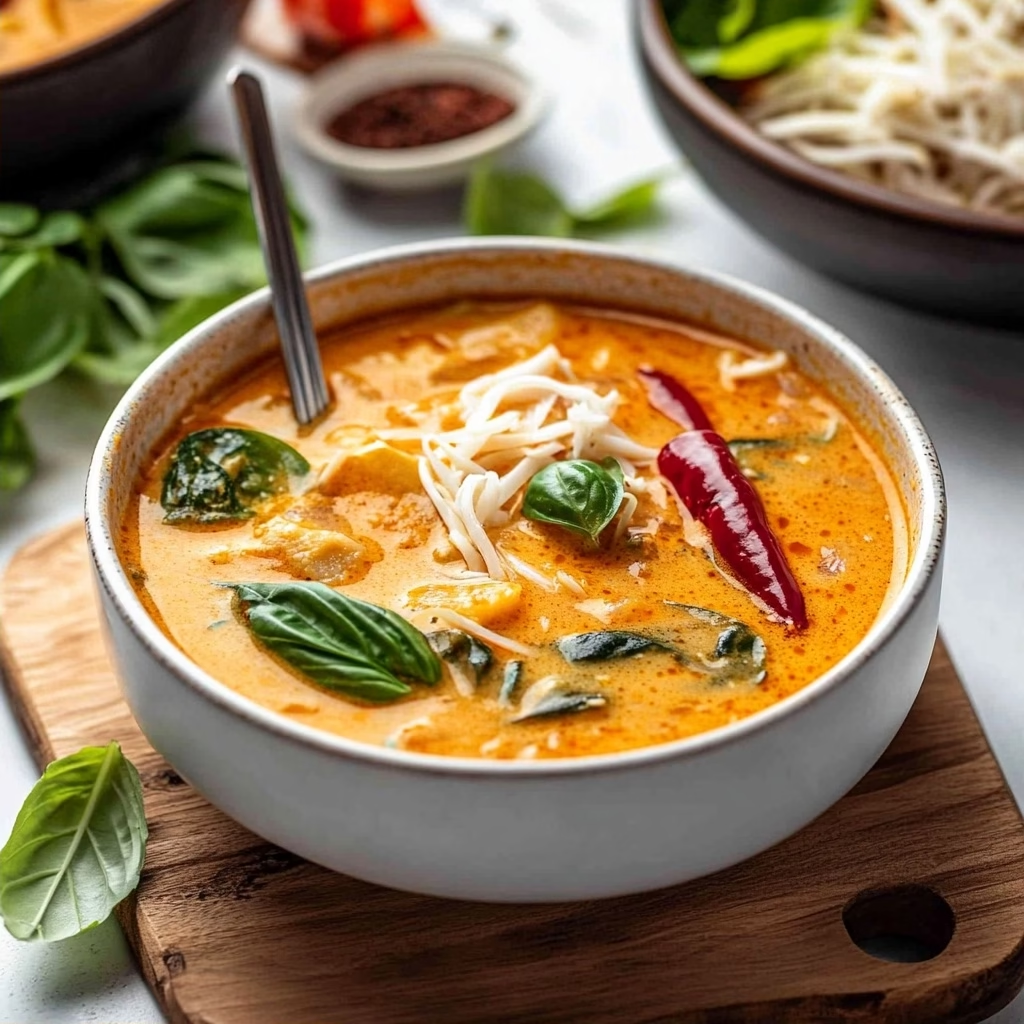
At its heart, Thai Coconut Curry Soup is a vibrant broth-based soup, rich with the distinctive flavors of Thai cuisine. It draws its signature creaminess from full-fat coconut milk, balanced by a flavorful curry paste, aromatic ginger, and garlic. This soup often includes a delightful mix of vegetables and noodles, making it a complete and comforting meal that’s both nourishing and incredibly tasty.
While there are many variations across Thailand and Southeast Asia, this particular recipe focuses on accessibility for home cooks. It aims to capture the essence of a traditional Thai curry, adapted for ease and speed. The inclusion of noodles adds a satisfying texture, while fresh herbs and a squeeze of lime provide that essential bright finish that makes Thai flavors so enchanting. It’s a dish that’s simple to make but tastes wonderfully complex.
Reasons to Try Thai Coconut Curry Soup
This Thai Coconut Curry Soup is a meal that truly delivers on its promise of comfort and flavor with minimal effort. It’s incredibly versatile, allowing you to adapt it easily to what you have on hand. Whether you’re a seasoned cook or just starting out, this recipe is wonderfully forgiving and yields delicious results every time, making it perfect for a relaxed weeknight dinner.
It’s also a fantastic option for anyone looking to bring a little warmth and excitement into their everyday meals. The combination of creamy coconut, savory broth, and fragrant spices is incredibly satisfying, and the addition of noodles makes it a hearty and complete meal. Plus, it’s a wonderful way to sneak in plenty of veggies, making it a dish everyone at the table can feel good about enjoying. It’s the kind of meal that brings a sense of calm and contentment, just like gathering around the table with family.
Ingredients Needed to Make Thai Coconut Curry Soup
- 1 tablespoon sesame oil (or coconut oil)
- 1 teaspoon freshly grated ginger
- 2 tablespoons red curry paste (use a vegan one if preferred)
- ½ red onion, finely chopped
- 4 cloves garlic, minced
- ¼ teaspoon sea salt
- ¼ teaspoon ground black pepper
- 2 tablespoons coconut sugar (or your preferred sweetener)
- 1 tablespoon liquid aminos (or gluten-free tamari/coconut aminos/lite soy sauce)
- 1 (13.5 ounce) can full-fat or lite coconut milk
- 3 cups vegetable broth
- 1 lime, juiced
- ½ tablespoon sambal oelek or Sriracha (optional, for heat)
- A handful of fresh Thai basil, finely chopped
- A handful of fresh spinach, finely chopped
- A handful of shredded purple cabbage for topping (optional)
- 8-12 ounces dry noodles (vermicelli, udon, soba, or rice noodles work well)
Instructions to Make Thai Coconut Curry Soup – Step by Step
Step 1: Begin by preparing your aromatics and curry paste. Heat the sesame oil in a large pot or Dutch oven over medium-high heat. Once warm, add the grated ginger and red curry paste. Stir these together constantly for about a minute until they become fragrant and wonderfully aromatic – this step really helps to bloom the flavors of the paste. Next, add the finely chopped red onion and minced garlic to the pot. Sauté these ingredients, stirring occasionally, for about 5 minutes, or until the onion has softened and become slightly translucent, releasing their sweet aroma into the oil.
Step 2: Introduce the foundational seasonings and liquids to the pot. Sprinkle the sea salt, black pepper, coconut sugar, and liquid aminos over the onion and garlic mixture. Stir everything together to combine. Pour in the creamy coconut milk and the vegetable broth. Give the soup a good stir to ensure everything is well incorporated, then bring the mixture to a gentle boil over medium-high heat. Once it starts to bubble, reduce the heat to low, cover the pot, and let the soup simmer for at least 10 minutes, allowing the flavors to meld beautifully. You can let it simmer longer if you have time; the depth of flavor will only increase.
Step 3: While the soup base is simmering, take this time to prepare your noodles. Cook your chosen noodles according to the package instructions. It often helps to cook them just until they are al dente, as they will continue to soften slightly when added to the hot soup or when reheated. Drain them well once they are ready.
Step 4: Bring everything together for serving. Squeeze the juice of one fresh lime into the simmering soup – this brightens all the flavors beautifully. Stir it in and then remove the pot from the heat. To serve, you can either add your cooked noodles directly into the soup bowls, or if you prefer to keep them separate (especially for leftovers), you can place them at the bottom of your serving bowls. Add a handful of fresh spinach and the optional shredded purple cabbage to the bowls. Pour the hot, fragrant Thai Coconut Curry Soup over the noodles and vegetables. Allow the soup to sit for about 3 minutes; this helps the spinach wilt slightly and the cabbage to soften just a touch while ensuring everything is perfectly warm.
Step 5: Finish and enjoy your comforting bowl. Garnish generously with the finely chopped fresh Thai basil. If you desire a bit of heat, stir in the sambal oelek or Sriracha now. Give everything a gentle stir right before you take your first delicious bite. This soup is best enjoyed immediately, allowing you to savor all the fresh aromas and flavors.
Chef’s Tips for a Perfect Result
- For an even richer aroma and flavor, toast the red curry paste in the oil for a full minute before adding the other aromatics.
- Using full-fat coconut milk will give you the creamiest, most decadent soup. Lite coconut milk works too but will result in a thinner broth.
- Don’t skip the lime juice at the end; its acidity is crucial for balancing the richness of the coconut milk and the depth of the curry paste.
- Adjust the amount of red curry paste and sambal oelek (or Sriracha) to suit your personal spice preference.
- If you can’t find Thai basil, fresh cilantro or even a little fresh mint can offer a lovely herbaceous note, though the flavor will be different.
- For a heartier soup, consider adding other vegetables like broccoli florets, sliced bell peppers, or snow peas during the last 5-7 minutes of simmering.
Variations and Substitutions
- Vegan Option: Ensure your red curry paste is vegan (many are, but check the label) and use vegetable broth. This recipe is already naturally vegan if these points are followed.
- Gluten-Free Alternative: Ensure your soy sauce alternative (liquid aminos, tamari, or coconut aminos) and noodles are certified gluten-free. Most rice noodles and vermicelli are naturally gluten-free.
- Low-Carb Version: Omit the noodles entirely. You can add more hearty vegetables like cauliflower florets, zucchini slices, or extra spinach to make it more filling.
- Budget Swap: Use regular yellow or white onion instead of red onion. Opt for a more common broth like chicken (if not strictly vegan) or a more budget-friendly vegetable broth concentrate. Any neutral oil can replace sesame oil if needed.
- Protein Boost: Add cooked shrimp, shredded chicken, or tofu cubes to the soup during the last few minutes of cooking to make it even more substantial.
How to Serve and Pair
This Thai Coconut Curry Soup is wonderfully complete on its own, especially with the noodles and vegetables. For a more substantial meal, consider serving it with a side of steamed jasmine rice to soak up any extra broth. A simple green salad with a light vinaigrette can offer a refreshing counterpoint.
Presentation-wise, a generous sprinkle of fresh Thai basil, a drizzle of chili oil, a few extra lime wedges on the side, and perhaps some toasted sesame seeds or chopped peanuts (if no allergies) can elevate the dish beautifully. It’s perfect for a cozy weeknight dinner, a light lunch, or even as an impressive starter for a gathering with friends. This soup always feels special, no matter the occasion.
Storage and Reheating
Refrigerator
Leftover Thai Coconut Curry Soup can be stored in an airtight container in the refrigerator for up to 3 days. The flavors often meld and deepen overnight, making it even more delicious on the second day. If you kept the noodles in the soup, they may absorb more liquid and soften further; this is usually fine, especially with heartier noodles like udon.
Freezer
This soup freezes quite well, though it’s best to freeze the soup base separately from the noodles if possible. Once cooled, transfer the soup base to freezer-safe containers or bags. It should keep well in the freezer for up to 2 months. Freezing with coconut milk can sometimes alter its texture slightly upon thawing, but it remains delicious.
Room Temperature
It is generally not recommended to leave cooked soup at room temperature for more than 2 hours to ensure food safety. For best results, cool and refrigerate or freeze leftovers promptly.
Reheating
To reheat, gently warm the soup on the stovetop over medium-low heat, stirring occasionally until heated through. If the soup seems too thick, you can add a splash of vegetable broth or water to reach your desired consistency. If you froze the soup separately from the noodles, cook fresh noodles or reheat cooked noodles gently. Microwaving is also an option, but stirring frequently will help ensure even heating and prevent the coconut milk from separating too much.
Frequently Asked Questions (FAQ)
Can I substitute the red curry paste with something else?
Yes, you can substitute other curry pastes like green or yellow Thai curry paste, but be aware that the flavor profile and heat level will change. You could also use a good quality curry powder, though you might need to adjust the liquid and seasoning amounts.
How do I know when the Thai Coconut Curry Soup is done cooking?
The soup is generally ready when the flavors have had a chance to meld together, which usually takes about 10-15 minutes of simmering. You’ll notice the aromas intensifying, and the soup will have a rich, creamy consistency. The vegetables should be tender but not mushy.
My soup tastes bland, what did I do wrong?
This often happens if the curry paste wasn’t “bloomed” or sautéed sufficiently at the beginning, or if you forgot the lime juice. Make sure to stir-fry the paste for a minute, and always add fresh lime juice at the end to brighten the flavors. Tasting and adjusting salt and sweetness is also key.
Can I prepare the Thai Coconut Curry Soup ahead of time?
Absolutely! You can prepare the soup base a day in advance and store it in the refrigerator. Cook the noodles and chop the fresh herbs just before serving for the best texture and flavor. This makes busy weeknights even easier.
What’s the best way to customize this soup for picky eaters?
For picky eaters, consider serving the soup base separately from the noodles and cabbage. This allows them to control exactly what goes into their bowl. You can also omit the sambal oelek or Sriracha entirely or serve it on the side. Using a milder curry paste would also be a good option.
CONCLUSION
This Thai Coconut Curry Soup is a delightful journey into simple, aromatic flavors that brings comfort and warmth to any meal. It’s a recipe that proves you can create something truly special and satisfying without spending hours in the kitchen. Give this easy Thai Coconut Curry Soup a try, and let its creamy, fragrant goodness brighten your day – that signature balance of creamy, spicy, and bright is simply irresistible.
PrintThai Coconut Curry Soup: Easy & Fragrant Comfort in a Bowl
A creamy, aromatic Thai coconut curry soup with fresh vegetables, noodles, and bold Thai flavors. Packed with warmth and complexity, this fuss-free bowl is perfect for weeknights and feels like a comforting hug in every spoonful.
- Prep Time: 10
- Cook Time: 20
- Total Time: 30
- Yield: 4 servings 1x
- Category: Dinner
- Method: Stewing
- Cuisine: Thai
- Diet: Pescatarian
Ingredients
1 tablespoon sesame oil (or coconut oil)
1 teaspoon freshly grated ginger
2 tablespoons red curry paste (use vegan/pescatarian version)
1 (13.5 oz) can full-fat coconut milk
4 cups vegetable broth
8 oz egg noodles (or rice noodles)
1 medium carrot, julienned
1 red bell pepper, thinly sliced
2 cups broccoli florets
2 tablespoons lime juice, plus extra to taste
10 fresh Thai basil leaves, roughly torn
Instructions
Heat oil in a large pot over medium heat. Add ginger and sauté for 1 minute. Stir in curry paste and cook for 30 seconds to toast the spices.
Add coconut milk and vegetable broth, bringing to a gentle simmer. Cook for 5 minutes to develop flavor.
Add julienned carrot and red bell pepper. Simmer for 5 minutes until slightly tender.
Add broccoli and noodles. Cook for 3-4 minutes until noodles are al dente and vegetables are crisp-tender.
Stir in lime juice just before serving. Garnish with torn Thai basil.
Notes
Adjust curry paste quantity to taste. Add lemongrass or kaffir lime leaves for extra authenticity. Leftovers keep in the fridge for 3-4 days. Can be frozen for up to 1 month, though noodles may soften upon thawing.
Nutrition
- Serving Size: 1 bowl
- Calories: 450
- Sugar: 8g
- Sodium: 600mg
- Fat: 28g
- Saturated Fat: 22g
- Carbohydrates: 35g
- Fiber: 5g
- Protein: 10g
- Cholesterol: 0mg