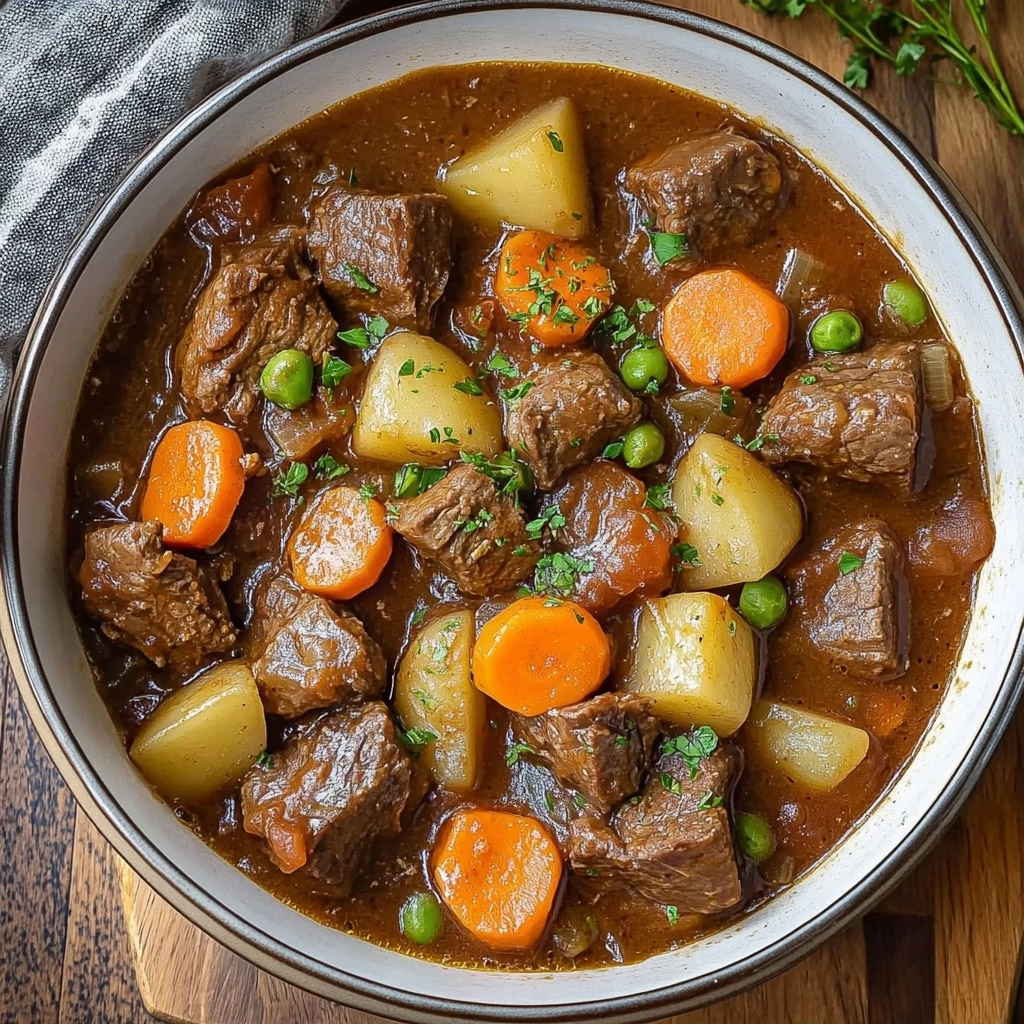
Hearty Beef Stew Recipe: Comfort in a Bowl
Beef stew recipe. It’s a phrase that conjures up images of cozy evenings, the comforting aroma filling the kitchen, and a bubbling pot promising warmth and satisfaction. There’s something truly special about a well-made beef stew, especially on a crisp autumn evening or a chilly winter day. It’s the kind of meal that feels like a hug in a bowl, bringing everyone around the table. This particular beef stew recipe is one that I’ve come to rely on whenever I need a taste of home, a reminder of simpler times and shared moments.
Making a delicious beef stew doesn’t need to be complicated. With just a few simple ingredients and a little patience, you can create a dish that’s both deeply flavorful and incredibly satisfying. It’s a testament to how basic ingredients, when treated with care, can transform into something truly magical. This beef stew recipe is designed to be approachable for any home cook, even on a busy weeknight, proving that comfort food can be both easy and deeply rewarding.
What is Hearty Beef Stew Recipe?
At its core, a beef stew is a slow-cooked dish featuring tender chunks of beef simmered in a rich, savory broth alongside hearty vegetables. It’s a classic comfort food found in many cultures, each with its own delightful variations. The magic of beef stew lies in the way the ingredients meld together over time, creating a depth of flavor that’s hard to replicate with quicker cooking methods. The slow simmering process breaks down the tough connective tissues in the beef, rendering it incredibly tender and juicy.
This specific beef stew recipe focuses on building rich flavor right from the start. We begin by searing the beef, which creates a beautiful crust and locks in juices, then deglazing the pot to capture all those delicious browned bits. The combination of aromatic vegetables, robust beef broth, and classic herbs creates a symphony of tastes and textures. It’s a hearty, rustic dish that’s as satisfying to make as it is to eat, making it a perfect centerpiece for any family meal.
Reasons to Try Hearty Beef Stew Recipe
This hearty beef stew recipe is a winner for so many reasons. First and foremost, the taste is simply incredible. The beef becomes melt-in-your-mouth tender, the vegetables are sweet and soft, and the broth is rich and deeply savory. It’s the kind of meal that makes the whole house smell wonderful. Plus, it’s incredibly forgiving; even if you’re new to cooking, you can achieve fantastic results with this straightforward approach to beef stew.
Beyond the delicious flavor, this beef stew is also incredibly versatile and makes the most of your ingredients. It’s perfect for feeding a crowd or for enjoying comforting leftovers throughout the week. This recipe is ideal for busy home cooks who want a nourishing, satisfying meal without spending all day in the kitchen. It’s a dish that brings people together, creating those warm, shared moments that make everyday life feel special.
Ingredients Needed to Make Hearty Beef Stew Recipe
- 2 pounds stewing beef (trimmed and cut into 1.5-inch cubes)
- 3 tablespoons all-purpose flour
- ½ teaspoon garlic powder
- ½ teaspoon salt (plus more to taste)
- ½ teaspoon black pepper (plus more to taste)
- 3 tablespoons olive oil (you might need a little more)
- 1 large onion (chopped)
- 6 cups beef broth (low sodium is great here)
- 1 pound potatoes (peeled and cut into 1-inch cubes)
- 4 medium carrots (peeled and cut into 1-inch pieces)
- 4 ribs celery (cut into 1-inch pieces)
- 3 tablespoons tomato paste
- 1 teaspoon dried rosemary (or 1 fresh sprig)
- 2 tablespoons cornstarch (optional, for thickening)
- 2 tablespoons water (optional, for thickening)
- ¾ cup frozen peas (added at the end)
Instructions to Make Hearty Beef Stew Recipe – Step by Step
Step 1:
Start by preparing your beef for browning. In a medium bowl, whisk together the all-purpose flour, garlic powder, ½ teaspoon of salt, and ½ teaspoon of black pepper. Add the cubed beef to this mixture and toss gently until each piece is lightly coated. This flour coating not only adds a touch of flavor but also helps to thicken the stew as it cooks. Don’t worry about getting every single surface perfectly coated; a light dusting is all you need.
Step 2:
Now it’s time to get that beautiful sear on the beef. Heat about 3 tablespoons of olive oil in a large Dutch oven or a heavy-bottomed pot over medium-high heat. Once the oil is shimmering and hot, carefully add the floured beef in a single layer, working in batches to avoid overcrowding the pot. Overcrowding will steam the meat instead of browning it, and we want that lovely crust. Sear the beef for about 2-3 minutes per side until deeply golden brown. As each batch is done, use a slotted spoon to transfer the browned beef to a clean bowl, leaving the drippings in the pot.
Step 3:
In the same pot, add your chopped onion. If the pot looks a little dry, feel free to add another tablespoon of olive oil. Sauté the onions over medium heat, stirring occasionally, until they begin to soften and turn translucent, which should take about 3 to 5 minutes. This is a great moment to scrape up any browned bits stuck to the bottom of the pot with your spoon; these bits are packed with flavor and will enrich the stew.
Step 4:
Pour in the beef broth, and if you’re using it, the red wine. Stir well, making sure to scrape up all those delicious browned bits from the bottom of the pot. This step is crucial for deepening the flavor of the stew. Bring the liquid to a gentle simmer, letting it bubble for a minute or two to allow some of the alcohol from the wine to cook off, if you used it.
Step 5:
Return the browned beef to the pot. Add the cubed potatoes, carrots, celery, tomato paste, and rosemary. Stir everything together, ensuring the beef and vegetables are mostly submerged in the liquid. If it seems a little low, you can add a splash more beef broth or water. Bring the stew back up to a simmer, then reduce the heat to medium-low. Cover the pot tightly, and let it simmer gently for at least 1 hour, or up to 1 hour and 30 minutes. The goal here is for the beef to become incredibly tender.
Step 6:
Once the beef is tender and you can easily pierce it with a fork, it’s time to check the consistency. If you prefer a thicker stew, you can make a slurry. In a small bowl, whisk together the cornstarch and water until you have a smooth, lump-free mixture. Slowly drizzle this slurry into the simmering stew, stirring constantly, until it reaches your desired thickness. You might not need all of the slurry; start with a little and add more as needed.
Step 7:
Finally, stir in the frozen peas. Let the stew simmer uncovered for another 5 to 10 minutes, just until the peas are bright green and tender. This is also your last chance to taste and adjust the seasoning. Add more salt and pepper if you think it needs it. Ladle the hot, comforting beef stew into bowls and serve immediately, ready to enjoy all that goodness.
Chef’s Tips for a Perfect Result
- Don’t skip the searing step: Browning the beef in batches creates essential flavor and texture that forms the foundation of a great stew.
- Use good quality beef broth: A flavorful broth makes a noticeable difference. Opt for low-sodium if you want to control the saltiness yourself.
- Chop vegetables to similar sizes: This ensures they cook evenly and are easy to eat together. Aim for roughly 1-inch pieces.
- Low and slow is key: Simmering the stew gently over low heat for an extended period is what makes the beef unbelievably tender. Avoid boiling vigorously.
- Taste and adjust seasoning: Always taste your stew before serving. A final check for salt and pepper can elevate the dish from good to outstanding.
- Add peas at the very end: This keeps them bright green and prevents them from becoming mushy, adding a lovely pop of color and freshness.
Variations and Substitutions
- Heartier Vegetables: For an even more robust stew, consider adding cubed butternut squash or parsnips along with the carrots and potatoes. They add a subtle sweetness and extra texture.
- Herb Variations: While rosemary is classic, thyme is another fantastic herb for beef stew. Fresh parsley stirred in at the end adds a burst of freshness.
- Spice It Up: A pinch of red pepper flakes added with the tomato paste can give the stew a gentle warmth without making it overly spicy.
- Gluten-Free Alternative: To make this beef stew gluten-free, simply omit the flour used for dredging the beef. For thickening, rely on a cornstarch or arrowroot slurry, or let the vegetables break down naturally to thicken the broth.
- Vegetarian/Vegan Adaptation (Modified Focus): While this is a beef stew, for a plant-based option, you’d swap beef for hearty mushrooms like portobellos or cremini, and use vegetable broth instead of beef broth. Adjust herbs and spices to complement the mushrooms.
How to Serve and Pair
This hearty beef stew is a complete meal on its own, but it truly shines when served with a side of crusty bread. Think a warm, rustic baguette or a simple loaf of sourdough, perfect for soaking up every last drop of that delicious broth. Fluffy mashed potatoes are another classic pairing, offering a creamy contrast. For a lighter option, a simple side salad with a vinaigrette can balance the richness of the stew.
When presenting your stew, serving it directly from the pot or a beautiful Dutch oven adds to the rustic charm. Garnish with a sprinkle of fresh parsley or chives for a pop of color and freshness. This beef stew is perfect for a cozy family dinner on a chilly evening, a comforting weekend lunch, or even a gathering with friends where you want to serve something warm and inviting. It’s a dish that always feels special, no matter the occasion.
Storage and Reheating
Refrigerator
Leftover beef stew can be stored in an airtight container in the refrigerator for up to 3-4 days. Ensure the stew has cooled completely before sealing the container. This helps prevent condensation, which can make the stew watery or affect its quality.
Freezer
To freeze beef stew, allow it to cool completely. Portion it into freezer-safe containers or heavy-duty freezer bags, removing as much air as possible. It will keep well in the freezer for 2-3 months. Broth-based stews freeze quite well, and the vegetables typically hold their texture nicely.
Room Temperature
For food safety, beef stew should not be left at room temperature for more than two hours. If you’ve just finished cooking and are waiting for guests, it’s best to keep it warm on very low heat on the stovetop or in a slow cooker on the ‘warm’ setting.
Reheating
The best way to reheat beef stew is on the stovetop. Gently warm it in a saucepan over medium-low heat, stirring occasionally, until heated through. If the stew seems too thick, you can add a splash of beef broth or water to loosen it up. For smaller portions, the microwave works well, just heat in 60-second intervals, stirring in between, until hot.
Frequently Asked Questions (FAQ)
Can I substitute the beef with another type of meat for this beef stew recipe?
Yes, you can substitute the beef with other meats like lamb or even bison for a similar rich flavor profile. For a leaner option, chicken thighs can also work, though the cooking time might be slightly reduced.
How do I know when my beef stew is perfectly done?
Your beef stew is done when the beef is fork-tender and easily pulls apart, and the vegetables are soft but not mushy. The broth should have a rich, slightly thickened consistency.
My beef stew is too thin, how can I thicken it?
To thicken a thin beef stew, you can create a slurry by mixing 2 tablespoons of cornstarch or flour with 2 tablespoons of cold water until smooth. Stir this slurry gradually into the simmering stew until it reaches your desired thickness.
Can I prepare the beef stew ahead of time?
Absolutely! Beef stew often tastes even better the next day as the flavors have more time to meld. Prepare it completely, let it cool, and store it in the refrigerator before reheating.
What are the best sides to serve with beef stew?
Crusty bread for dipping is a classic choice, as are fluffy mashed potatoes or a simple green salad. You could also serve it over biscuits or dumplings for an extra comforting meal.
CONCLUSION
This hearty beef stew recipe delivers on comforting flavor and satisfying textures, making it a true standout. It’s the perfect dish to warm you from the inside out, and I encourage you to bring this comforting classic into your kitchen. The rich, savory broth combined with tender beef and vegetables creates an irresistible meal that feels like a special occasion, any day of the week.
PrintHearty Beef Stew Recipe: Comfort in a Bowl
A rich, tender beef stew simmered with hearty vegetables and savory herbs, perfect for cold days or cozy gatherings. Slow-cooked for maximum flavor, this dish delivers warmth and satisfaction in every bite.
- Prep Time: 30
- Cook Time: 150
- Total Time: 180
- Yield: 6 servings 1x
- Category: Dinner
- Method: Slow Simmering
- Cuisine: American
- Diet: Halal
Ingredients
2 lbs beef chuck, cubed
1 tbsp olive oil
1 onion, chopped
3 carrots, peeled and sliced
3 potatoes, peeled and cubed
2 celery stalks, sliced
3 cloves garlic, minced
1 cup tomato puree
4 cups beef broth
1 tbsp apple cider vinegar or lemon juice
1 tsp dried thyme
1 tsp dried rosemary
2 bay leaves
Salt and pepper to taste
2 tbsp cornstarch mixed with 2 tbsp water (optional for thickening)
Instructions
Preheat oven to 325°F (160°C).
Heat olive oil in a Dutch oven over medium-high heat. Sear beef cubes until browned; remove and set aside.
Add onion, carrots, celery, and garlic to the pot. Sauté for 5 minutes.
Return beef to the pot. Add tomato puree, beef broth, vinegar, herbs, bay leaves, salt, and pepper.
Bring to a boil, then transfer to oven. Simmer for 2-3 hours, until beef is tender.
Add potatoes in the last 30 minutes of cooking. Thicken stew with cornstarch slurry if needed.
Notes
Use halal-certified beef for dietary compliance.
Substitute vinegar or lemon juice with additional broth if preferred.
Stew can be frozen (without cornstarch) for up to 3 months.
Add root vegetables like parsnips for extra heartiness.
Nutrition
- Serving Size: 1 bowl
- Calories: 450
- Sugar: 3g
- Sodium: 800mg
- Fat: 20g
- Saturated Fat: 9g
- Carbohydrates: 40g
- Fiber: 6g
- Protein: 28g
- Cholesterol: 110mg