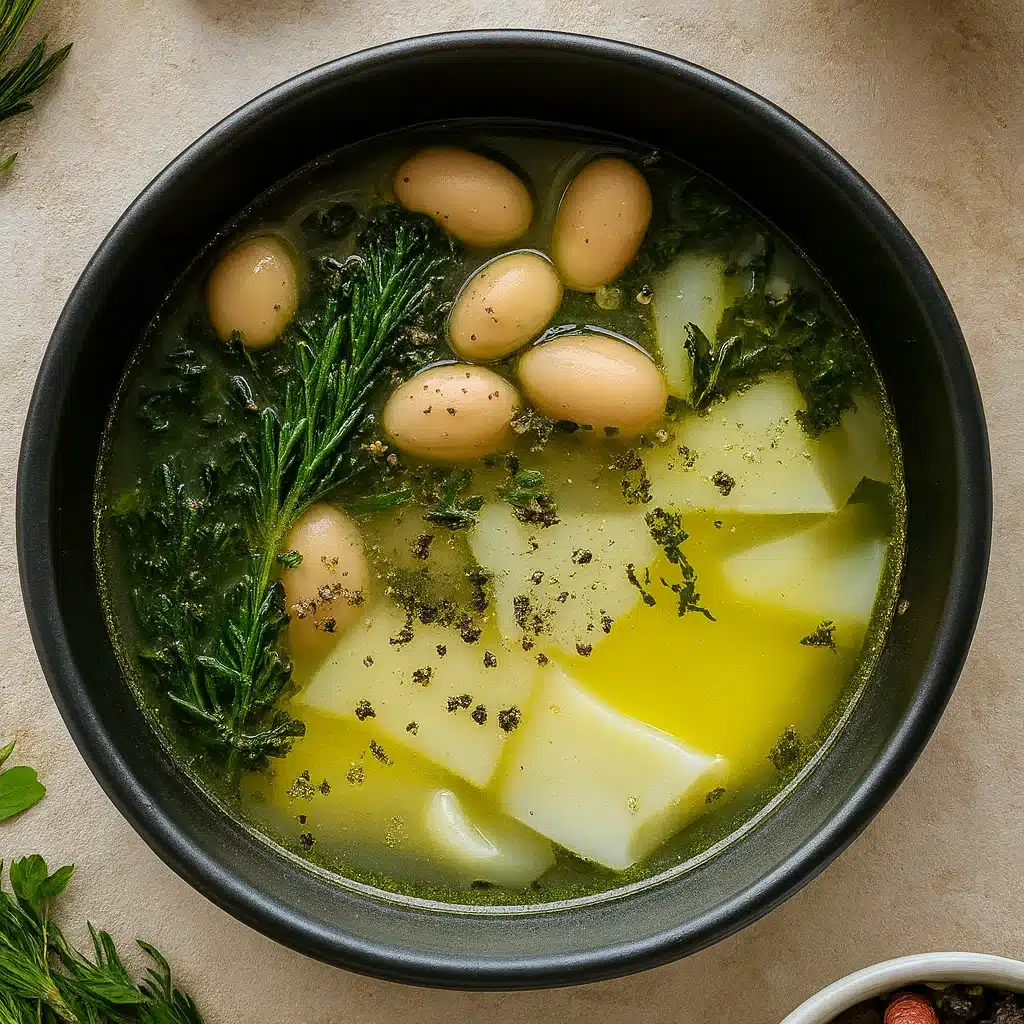
Greek Healing Soup is more than just a cozy lunch—it’s like a warm hug in a bowl, especially when life throws you sniffles, stress, or a chilly day. This vibrant veggie-packed soup brings together chickpeas, carrots, zucchini, kale, and lemon in a broth that feels like it’s doing your body (and soul) a favor. Whether you’re meal prepping for the week or just looking for something nourishing that doesn’t taste like “health food,” this one hits the spot. It’s beginner-friendly, too—no fancy techniques, just wholesome ingredients and flavors that do the heavy lifting.
Table of Contents
What is Greek Healing Soup?
Greek Healing Soup is a hearty, plant-based soup loaded with vegetables, chickpeas, and herbs, all simmered in a lemony vegetable broth. It’s a Mediterranean twist on comfort food—like chicken soup’s veggie-forward cousin. Unlike traditional avgolemono (a Greek lemon soup thickened with eggs), this version keeps things simple, using fresh veggies, beans, and citrus to pack in flavor and nourishment. Think of it as a reset button in a bowl—great for days when you’re feeling under the weather or just trying to sneak in more fiber and nutrients.
Reasons to Try Greek Healing Soup
Let’s be real—some days call for soup that doesn’t come from a can, and Greek Healing Soup totally delivers. First, it’s comforting without being heavy. You get all that soothing broth goodness plus the filling power of chickpeas and potatoes. Second, it’s a veggie wonderland. If you’re trying to eat more greens (or sneak them past your picky eaters), this soup makes it surprisingly easy. And lastly, that hit of lemon at the end? Game-changer. It brightens everything and makes you feel like you’ve got your life together—even if your laundry pile says otherwise.
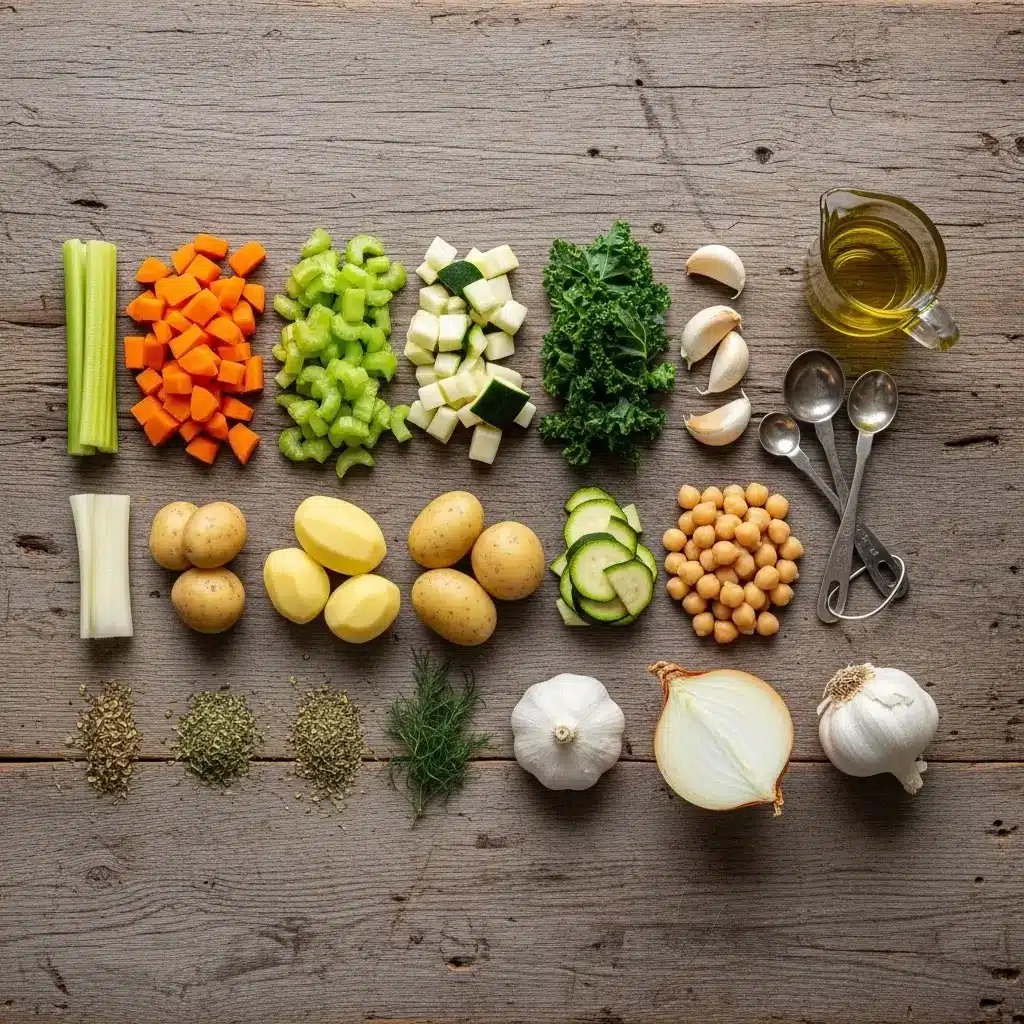
Ingredients Needed to Make Greek Healing Soup
- 2 tablespoons olive oil
- 1 medium onion, chopped
- 2 cloves garlic, minced
- 3 carrots, diced
- 2 celery stalks, diced
- 1 medium potato, peeled and diced
- 1 zucchini, diced
- 1 cup chopped kale or spinach
- 1 can (14 oz) chickpeas, drained and rinsed
- 6 cups vegetable broth
- 1 teaspoon dried oregano
- 1 teaspoon dried thyme
- 1 teaspoon ground cumin
- Salt and pepper, to taste
- Juice of 1 lemon
- Fresh parsley, chopped (for garnish)
Step-by-Step Guide: How to Make Greek Healing Soup
Making Greek Healing Soup is as soothing as eating it—especially when you break it down into this easy, step-by-step guide. Whether you’re a seasoned home cook or just figuring out how to sauté an onion without Googling it every time, these detailed instructions will walk you through the process with confidence. Let’s turn simple ingredients into something warm, vibrant, and healing.
Step 1: Sauté the Onion for a Flavorful Base
Start your Greek Healing Soup with a step-by-step foundation: heat 2 tablespoons of olive oil in a large pot over medium heat. Once the oil is shimmering, toss in your chopped onion. Stir occasionally and let it cook for about 5 minutes until it turns soft and translucent. This step creates a sweet, savory base and helps layer the flavors right from the beginning. If your onions are browning too quickly, lower the heat slightly. Need help chopping onions without crying? Check out these kitchen prep tips that will save your sanity.
Step 2: Add Garlic for an Aromatic Kick
Once your onions are softened, stir in the minced garlic. Cook it for just 1 minute—enough to let that delicious, garlicky aroma bloom without burning. Burned garlic can turn bitter fast, so keep things moving in the pan. This step is small but mighty, giving your soup a deep, comforting flavor that ties everything together.
Step 3: Soften the Carrots and Celery
Add the diced carrots and celery to the pot, giving everything a good stir. Cook for another 5 minutes until they start to soften and pick up some of the oil and seasoning. These veggies are essential for building that traditional soup texture and offer a nutritional boost. Want to try other veggies like parsnips or bell peppers? Here’s a handy list of vegetable swaps that can add your own twist to this base.
Step 4: Add the Heartier Veggies – Potato and Zucchini
Now it’s time to add the diced potato and zucchini. Stir them in and cook for another 5 minutes. Potatoes help give the soup a slightly creamy feel as they break down a bit during simmering, while zucchini brings in a gentle freshness. For a low-carb version, try using cauliflower florets instead of potatoes—you’ll find more low-carb inspiration in this vegetable orzo soup.
Step 5: Pour in Broth and Add Chickpeas & Spices
Once your veggies are softened, it’s time for the liquid gold—pour in 6 cups of vegetable broth. Then add the chickpeas (make sure they’re rinsed and drained if using canned), along with oregano, thyme, cumin, salt, and pepper. Stir well to combine. This step is where the Greek Healing Soup starts to earn its name, with herbs and spices that feel like they’re giving your body a warm pat on the back. Want to boost the protein even more? Try adding lentils like in this slow cooker golden lentil soup.
Step 6: Simmer for Perfect Texture
Raise the heat to bring everything to a gentle boil. Then reduce the heat to a low simmer and cover the pot. Let the soup simmer for about 20 minutes, or until all the vegetables are tender and cooked through. This is the hands-off part of the step-by-step process—time to clean up, sip some tea, or scroll through more delicious ideas like this ginger garlic chicken noodle soup if you’re craving a meaty version.
Step 7: Stir in the Greens
About 3 minutes before your soup finishes cooking, stir in 1 cup of chopped kale or spinach. These leafy greens wilt quickly and add a pop of color and nutrients. If you’re using kale, remove the tough stems first for a more pleasant bite. Not into greens? Try shredded cabbage or Swiss chard instead—they’ll work just as well.
Step 8: Add Lemon Juice for Brightness
Here’s the final (and dare we say most important?) step: remove the pot from the heat and stir in the juice of one lemon. This little squeeze adds a burst of freshness that wakes up the whole pot. Taste your soup and adjust with more lemon, salt, or pepper if needed. The lemon gives Greek Healing Soup its signature zing and makes everything taste bright and balanced.
Step 9: Serve with Love (and a Sprinkle of Parsley)
Ladle your soup into bowls and top with fresh chopped parsley for a final layer of flavor and a touch of green. You can serve it on its own or pair it with something cozy from our Italian Penicillin Soup collection for a soup night that heals everything from colds to bad moods.
What to Serve with Greek Healing Soup
This Greek Healing Soup is totally satisfying on its own, but if you want to make it a full meal, it plays well with others. Pair it with some warm pita or crusty bread to soak up every drop of that lemony broth. A side of roasted chickpeas adds extra protein and crunch. Want something green? Try a Greek salad with cucumbers, olives, and feta. If you’re feeling fancy, you can even whip up some homemade tzatziki and serve it with veggie sticks. It also pairs beautifully with rice or quinoa if you want to bulk it up. Honestly, it’s a “fridge clean-out” kind of soup, so toss in whatever sides you’ve got and call it a nourishing win.
Key Tips for Making Greek Healing Soup
Start with fresh veggies—the better the produce, the better the soup. Don’t skip the lemon at the end; it lifts all the flavors. If you’ve got picky eaters, dice the veggies small or blend part of the soup to make it creamier (but still dairy-free!). Want more protein? Toss in cooked quinoa, shredded chicken, or even tofu cubes. If the soup thickens as it sits, just add a splash of broth or water when reheating. Taste as you go—every veggie soup is a little different, and seasoning is key. And finally, make extra. This soup is one of those dishes that gets better the next day (and the day after that).
Storage and Reheating Tips for Greek Healing Soup
Got leftovers? Lucky you. Let the soup cool, then store it in an airtight container in the fridge for up to 4 days. It also freezes like a champ—just portion into freezer-safe containers and label them. When you’re ready to eat, thaw in the fridge overnight or warm directly from frozen over low heat. Add a splash of broth or water if it looks too thick. Stir well and re-season with lemon, salt, or pepper to bring it back to life. Pro tip: keep the parsley garnish separate and add fresh after reheating for that just-made look and taste.
FAQs
Can I use canned vegetables?
Fresh is best, but in a pinch, canned carrots or potatoes will work—just reduce the simmer time.
Can I add grains?
Absolutely! Try quinoa, orzo, or brown rice to bulk it up.
Is it freezer-friendly?
Yes! It freezes well for up to 3 months. Just thaw and reheat gently.
What if I don’t have kale?
Spinach, chard, or even cabbage work fine.
Can I make it in a slow cooker?
Totally. Just toss everything except the lemon and greens into the slow cooker. Cook on low for 6 hours. Add the greens and lemon at the end.
Final Thoughts
Greek Healing Soup is one of those recipes that makes you feel taken care of—even if you’re the one doing the cooking. It’s simple, nourishing, and bright, like sunshine in a bowl. Whether you’re fighting a cold, feeding a crowd, or just trying to eat more veggies, this soup’s got your back.
Visit our Pinterest for regular slow cooker recipe updates, or join our Facebook discussions where cooking fans exchange their favorite hearty meal ideas.
PrintGreek Healing Soup (Greek Healing Soup Recipe)
This nourishing soup combines tender chickpeas, crisp carrots and zucchini, leafy greens, and aromatic herbs in a savory broth brightened by lemon. Perfect for immune support and meal prep.
- Prep Time: 15 mins
- Cook Time: 35 mins
- Total Time: 50 mins
- Yield: 4 servings 1x
- Category: Lunch
- Method: Stovetop
- Cuisine: Greek
- Diet: Vegetarian
Ingredients
- 2 tablespoons olive oil
- 1 medium onion, chopped
- 2 cloves garlic, minced
- 3 carrots, diced
- 2 celery stalks, diced
- 1 medium potato, peeled and diced
- 1 zucchini, diced
- 1 cup chopped kale or spinach
- 1 can (14 oz) chickpeas, drained and rinsed
- 6 cups vegetable broth
- 1 teaspoon dried oregano
- 1 teaspoon dried thyme
- 1 teaspoon ground cumin
- Salt and pepper, to taste
- Juice of 1 lemon
- Fresh parsley, chopped (for garnish)
Instructions
1. In a large pot, heat olive oil over medium heat. Add the chopped onion and sauté for about 5 minutes until translucent, stirring occasionally.
2. Add the minced garlic and cook for an additional 1 minute until fragrant, being careful not to burn it.
3. Stir in the diced carrots and celery, cooking for about 5 minutes until they begin to soften.
4. Add the diced potato and zucchini to the pot, mixing well to combine. Cook for another 5 minutes.
5. Pour in the vegetable broth and add the chickpeas, dried oregano, thyme, ground cumin, salt, and pepper. Stir well to ensure all ingredients are well combined.
6. Bring the mixture to a boil, then reduce the heat to a simmer. Cover the pot and let it cook for about 20 minutes, or until all the vegetables are tender.
7. During the last few minutes of cooking, stir in the chopped kale or spinach until wilted.
8. Remove the pot from heat and squeeze in the lemon juice, stirring gently to combine.
9. Taste and adjust the seasoning with more salt, pepper, or lemon juice if desired.
10. Serve the soup hot, garnished with fresh chopped parsley. Enjoy!
Notes
This soup is known for its immunity-boosting properties thanks to the fresh vegetables and legumes.
You can add other vegetables like bell peppers or sweet potatoes for extra flavor and nutrition.
If you prefer a heartier soup, consider adding quinoa or whole grains to the mix.
The flavors deepen as the soup sits, making it a great option for meal prep or leftovers.
This soup freezes well, so you can make a large batch and save some for later.
Nutrition
- Serving Size: 1 bowl
- Calories: 140