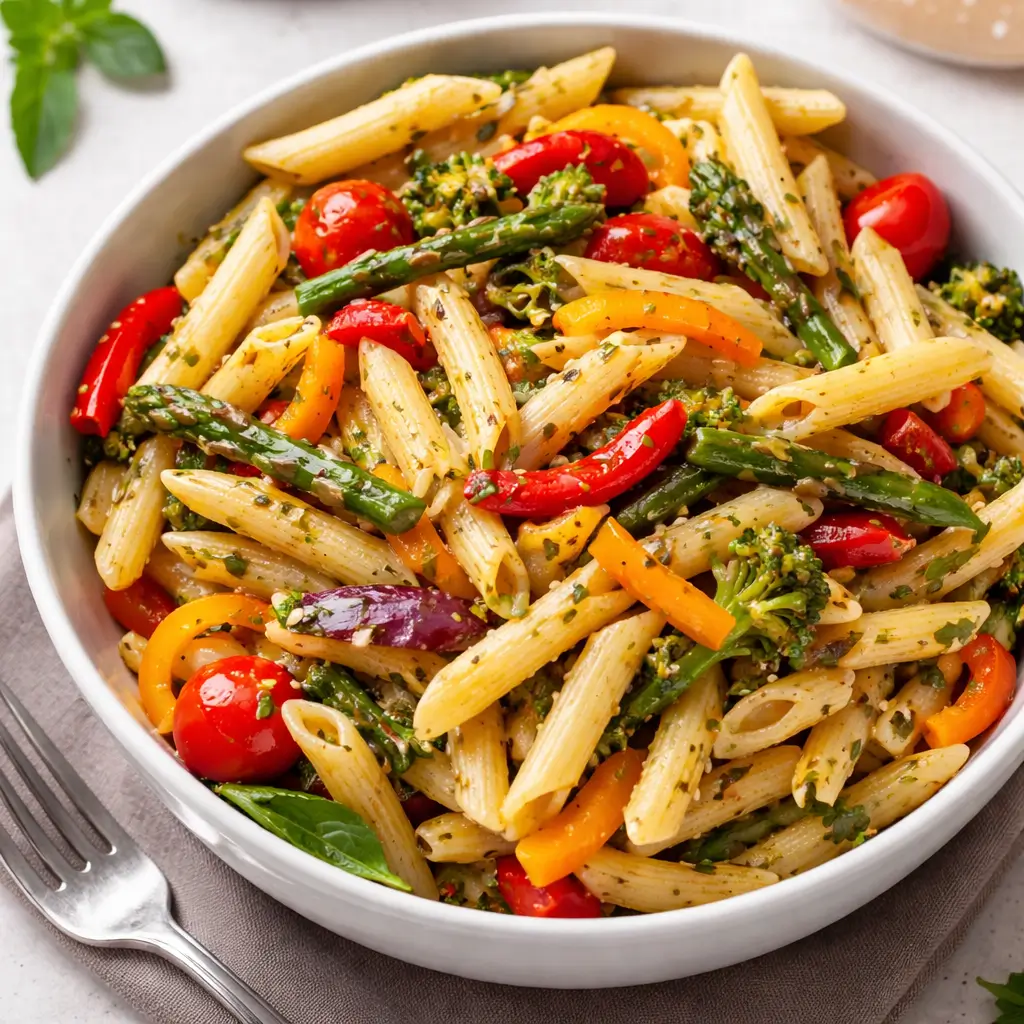
Pasta Primavera is the kind of meal that feels like a deep breath of spring, no matter what time of year it is. It’s colorful, comforting, and surprisingly quick to throw together—perfect for those nights when you’re tired of takeout but still want something that looks like you spent hours in the kitchen. With fresh seasonal veggies, zesty lemon, and a sprinkling of Parmesan, this dish has everything you love about Italian comfort food—without the heavy cream or complicated prep.
And yes, it’s just as delicious reheated the next day (if there are leftovers, that is). The best part? You can mix and match whatever veggies you have on hand, making it one of the most flexible pasta dishes ever. Pasta Primavera proves that simple ingredients, when cooked right, can taste like a little Italian vacation on a plate.
Table of Contents
What is Pasta Primavera?
Pasta Primavera literally means “spring pasta” in Italian, and that’s exactly what it is—a bright, garden-inspired dish that celebrates seasonal produce. It’s believed to have originated not in Italy, but in New York City during the 1970s when chefs started highlighting fresh vegetables in pasta instead of heavy cream sauces.
Think of it as a lighter, fresher cousin to creamy Alfredo or hearty Bolognese. While traditional versions often use spaghetti or linguine, penne works wonderfully here because it holds onto all those little bits of garlic, lemon, and Parmesan. What makes this dish so special is its balance—the pasta is hearty, the veggies are crisp-tender, and the lemon juice gives everything a gentle lift. It’s wholesome, easy, and oh-so-pretty on the plate.
Reasons to Try Pasta Primavera
Why should this Pasta Primavera earn a spot in your regular dinner rotation? First off, it’s fast. From start to finish, you’re looking at about 35 minutes total. That’s faster than waiting for delivery, and definitely cheaper. Second, it’s customizable. Got picky eaters? Swap out veggies. Want to go gluten-free? Use chickpea pasta. Dairy-free? Nutritional yeast works beautifully instead of Parmesan.
It’s the kind of recipe that adjusts to your pantry and your mood. Third, it’s healthy comfort food—packed with fiber, vitamins, and flavor without weighing you down. And finally, it’s just plain beautiful. Those vibrant veggies tossed with golden pasta make even a weeknight dinner feel a bit more special. If you love easy dinners like Roasted Veggie Pasta with Feta or Greek Pasta Salad, you’ll adore this one too.
Ingredients Needed to Make Pasta Primavera
Here’s what you’ll need to whip up this deliciously colorful dish:
- 8 oz penne pasta (or your favorite variety—whole wheat, gluten-free, or chickpea all work great)
- 1 medium red onion (you can swap for yellow onions or shallots if that’s what’s in your kitchen)
- 1 medium carrot, sliced thinly (parsnip works too for a slightly earthy touch)
- 2 cups broccoli florets (or try asparagus or green beans for variation)
- 1 medium red bell pepper, chopped (use any color—each brings its own sweetness)
- 1 medium yellow squash, sliced (zucchini or eggplant make great stand-ins)
- 1 cup grape tomatoes, halved (cherry or sun-dried tomatoes add a deeper flavor)
- 2 cloves garlic, minced
- 1 tbsp dried Italian seasoning (or use fresh herbs for a more aromatic dish)
- 2 tbsp olive oil, plus more for drizzling
- 2 tbsp lemon juice (or lime, for a subtle twist)
- ½ cup Parmesan cheese (or nutritional yeast for dairy-free)
- 2 tbsp chopped fresh parsley for garnish
- Salt and red pepper flakes to taste
Instructions to Make Pasta Primavera – Step by Step
Step 1: Prep Like a Pro
Before you start cooking, get everything ready. Bring a large pot of salted water to a rolling boil—think ocean salty, not timidly seasoned. While it’s heating, grab your cutting board and chop the veggies: slice the carrot thin, cut broccoli into small florets, dice the onion, and chop your bell pepper. Slice the squash and halve those juicy grape tomatoes. Don’t skip this prep—having everything ready means your kitchen chaos stays under control (and you look like you know what you’re doing).
Step 2: Boil the Pasta
Once the water is bubbling, add your penne and cook it until al dente, about one minute less than the package says. That slight chew is what makes the texture perfect later. Before you drain it, scoop out about half a cup of that starchy pasta water—it’s liquid gold that will help create a silky sauce later. Then drain the pasta and set it aside.
Step 3: Sauté the Veggies
Heat 2 tablespoons of olive oil in a large skillet over medium-high heat. Add the red onion and carrot first—they take a little longer to soften. Sauté for about 3–4 minutes, stirring occasionally until they start smelling amazing and looking slightly translucent. Next, toss in the broccoli and red bell pepper. Sprinkle in your Italian seasoning mix and a pinch of salt, and let the veggies cook for another 4–5 minutes. You’ll know they’re ready when they’re tender but still bright and slightly crisp. The goal is vibrant, not mushy.
Step 4: Add Garlic and Tomatoes
Turn down the heat a bit, then add the minced garlic and cook for just 30 seconds. You want it fragrant, not burned. Then toss in your halved grape tomatoes and sliced yellow squash. Let everything mingle for 2–3 minutes until the tomatoes start to soften and release their juices but still hold their shape. The colors at this point will make your skillet look like a summer garden—seriously, it’s gorgeous.
Step 5: Combine Pasta and Veggies
Now comes the magic moment. Add your drained pasta to the skillet with the veggies. Pour in the lemon juice and a splash (1–2 tablespoons) of that reserved pasta water. Toss everything together gently so the flavors marry beautifully. If it looks a little dry, add a bit more of the reserved pasta water. The starch from the pasta water helps the sauce cling to the noodles instead of just pooling at the bottom.
Step 6: Finishing Touches
Turn off the heat and stir in your grated Parmesan (or nutritional yeast if you’re going dairy-free). Taste and adjust your seasoning—maybe a touch more salt, or an extra squeeze of lemon if you like things zesty. Garnish with fresh parsley and, if you’re feeling bold, a pinch of red pepper flakes. The result? A bowl of Pasta Primavera that’s creamy from the cheese, bright from the lemon, and just the right amount of hearty.
Step by Step Tip: Don’t overmix at the end. Gently fold the ingredients so each bite has a perfect mix of pasta and veggies.
If you love this fresh, quick method, check out my Pesto Pasta with Grilled Chicken—it uses a similar step-by-step approach with just a few extra protein-packed twists.
What to Serve with Pasta Primavera
This dish pairs beautifully with a crisp side salad or a light protein. Try it with Creamy Paprika Chicken Drumsticks for a balanced meal, or serve it alongside warm crusty bread to soak up every last drop of lemony goodness. A glass of chilled white wine, like Sauvignon Blanc, is the perfect finishing touch. If you’re keeping things vegetarian, a simple Cowboy Salad or Easy Mexican Street Corn Pasta Salad makes a colorful complement.
Key Tips for Making Pasta Primavera
- Use fresh veggies. This dish shines when your vegetables are crisp and colorful.
- Don’t skip the lemon juice. It brightens everything up.
- Keep that pasta water. A few tablespoons make the sauce creamy without cream.
- Cook pasta to al dente. It’ll finish cooking with the veggies, absorbing all that flavor.
- Taste as you go. Italian cooking is all about balance—salty, tangy, cheesy, fresh.
For more easy pasta tricks, see my post on Spaghetti Pasta Salad.
Storage and Reheating Tips for Pasta Primavera
Got leftovers? Lucky you. Store your Pasta Primavera in an airtight container for up to 4 days in the fridge. When reheating, add a splash of water or broth to loosen it up before warming on the stovetop over medium heat. Avoid microwaving too long—it can make the veggies soggy. You can even freeze it for up to 3 months; just reheat gently to keep the texture. This dish actually tastes even better the next day, as the flavors meld beautifully overnight.
FAQs
Can I make this vegan?
Absolutely. Swap the Parmesan for nutritional yeast or your favorite vegan cheese.
Can I add protein?
Yes! Grilled chicken, shrimp, or even tofu all work great here. Try it with Tuscan Shrimp Pasta for an Italian-inspired combo.
What’s the best pasta to use?
Penne holds up best, but rotini or farfalle (bowtie pasta) are fun too—they catch all those veggie bits nicely.
Can I make it ahead?
Yes! Cook and toss everything together, then refrigerate. Add a splash of lemon juice and a drizzle of olive oil before serving to freshen it up.
Is this gluten-free?
It can be! Just use gluten-free pasta and check your seasoning labels.
Final Thoughts
If you’ve been craving a dinner that’s equal parts easy, healthy, and delicious, this Pasta Primavera is the answer. It’s a meal that feels light yet comforting, with every forkful bursting with fresh flavor. The best part is that you can make it your own—throw in whatever veggies you’ve got, skip the cheese, or add a little extra garlic if that’s your thing. Once you’ve mastered this step-by-step method, you’ll have a go-to pasta that fits any season. Whether you’re cooking for your family, a date night, or just yourself on a quiet Tuesday, this dish is pure happiness in a bowl.
For more veggie-packed inspiration, check out my Olive Garden Copycat Pasta Salad or Shrimp Orzo in Lemon Garlic Sauce. And if you’re in the mood for dessert after your pasta feast, the Strawberry Lemon Blondies are an absolute must-try.
Visit our Pinterest for regular slow cooker recipe updates, or join our Facebook discussions where cooking fans exchange their favorite hearty meal ideas.
PrintPasta Primavera – Quick, Fresh & Delicious Weeknight Winner
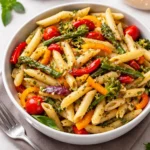
A bright, simple plate of pasta with fresh veggies, perfect for weeknight dinners. Quick to cook and easy to clean up, this dish is family-approved and customizable for all tastes.
- Prep Time: 15 minutes
- Cook Time: 20 minutes
- Total Time: 35 minutes
- Yield: 4 servings 1x
- Category: Dinner, Main Course
- Method: Stovetop
- Cuisine: Italian
- Diet: Vegetarian
Ingredients
- 8 oz Penne Pasta (can substitute with gluten-free or chickpea pasta), cooked to al dente
- 1 medium Red Onion (or yellow onions/shallots)
- 1 medium Carrot (or parsnip), sliced thinly
- 2 cups Broccoli Florets (or asparagus/green beans), cut into small florets
- 1 medium Red Bell Pepper (or green/yellow/orange peppers), seeded and chopped
- 1 medium Yellow Squash (or zucchini, can substitute with eggplant), sliced
- 1 cup Grape Tomatoes (or cherry/sun-dried tomatoes), halved before cooking
- 2 cloves Garlic, minced
- 1 tbsp Dried Italian Seasoning (can replace with fresh herbs)
- 2 tbsp Lemon Juice (or lime juice)
- 1/2 cup Parmesan Cheese (or nutritional yeast for dairy-free), grated
- 2 tbsp Fresh Parsley, chopped (for garnish)
- 2 tbsp Olive Oil (for sautéing), extra for greasing and flavoring
- Salt, to taste
- Red Pepper Flakes (optional, for serving), to taste
Instructions
1. Bring a large pot of salted water to a boil. Add the penne and cook to al dente (check package timing minus 1 minute).
2. While the pasta cooks, dice the red onion, slice the carrot thin, cut broccoli into small florets, seed and chop the red bell pepper, and slice the yellow squash. Halve grape tomatoes. Mince garlic.
3. In a small bowl, mix 1 tbsp dried Italian seasoning with a pinch of salt.
4. Heat 2 tbsp olive oil in a large skillet over medium-high heat.
5. Add the red onion and carrot first. Sauté for 3–4 minutes until slightly softened.
6. Add broccoli and red bell pepper. Season with Italian seasoning mix and sauté for 4–5 minutes until veggies are bright and almost tender.
7. Lower heat. Add the minced garlic and sauté for 30 seconds until fragrant.
8. Add the halved grape tomatoes and yellow squash; cook for 2–3 minutes so tomatoes soften but keep shape.
9. Reserve 1/2 cup of pasta cooking water and drain the penne.
10. Add the drained pasta to the skillet. Pour in 2 tbsp lemon juice and 1–2 tbsp of the reserved pasta water. Toss to combine. Add more pasta water if you want a looser sauce.
11. Turn off the heat. Stir in 1/2 cup grated Parmesan (or 2–3 tbsp nutritional yeast).
12. Taste and adjust salt and lemon. Garnish with fresh parsley and a pinch of red pepper flakes for heat.
13. Serve hot with extra Parmesan on the side.
Notes
Store leftovers in an airtight container for 3–4 days. Reheat gently on the stovetop with a splash of water or broth to revive the sauce. Freeze portions for up to 3 months.
Nutrition
- Serving Size: 1 serving
- Calories: 350
- Sugar: 5g
- Sodium: 300mg
- Fat: 10g
- Saturated Fat: 3g
- Carbohydrates: 50g
- Fiber: 5g
- Protein: 12g